Usability Evaluation
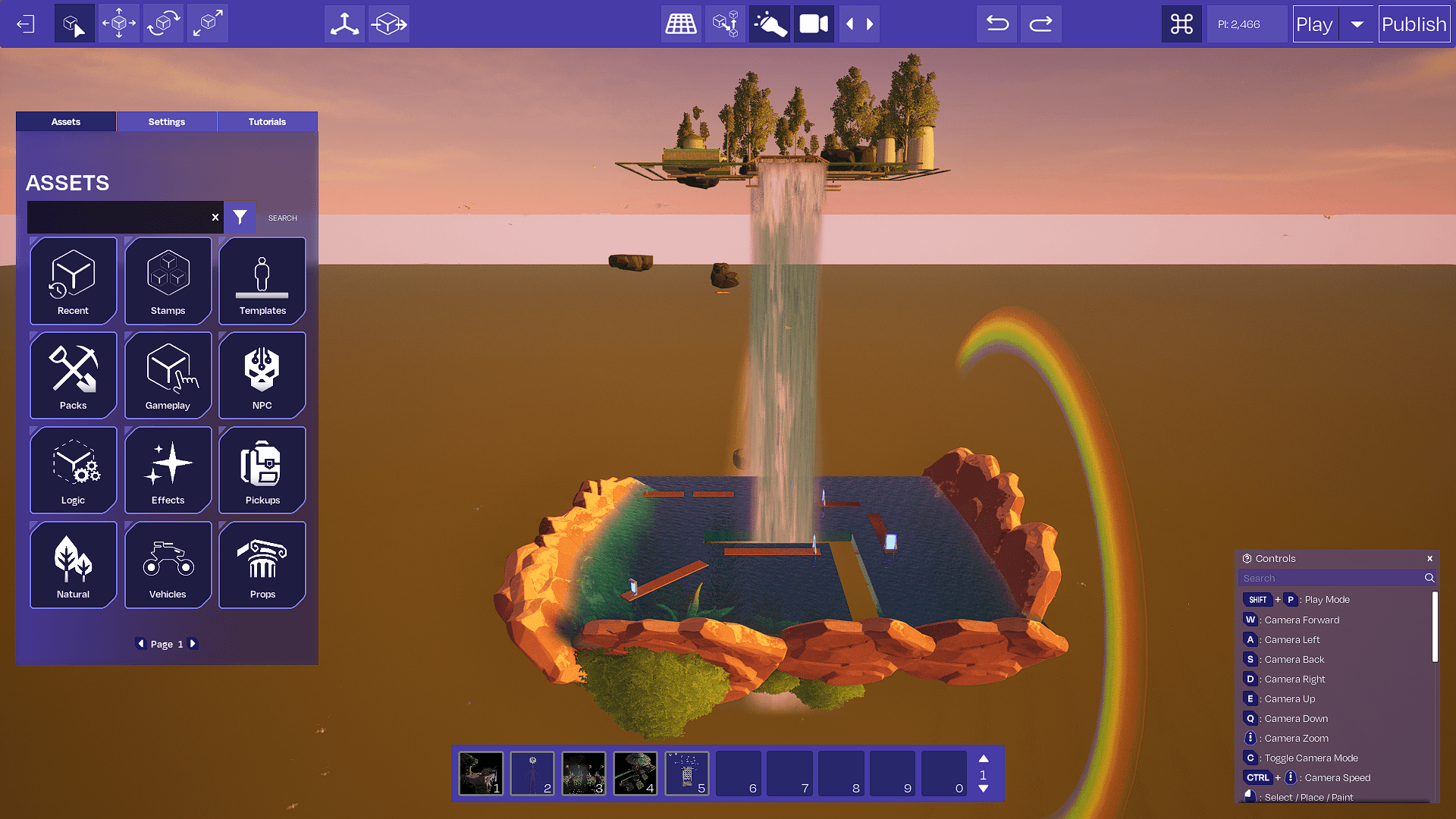
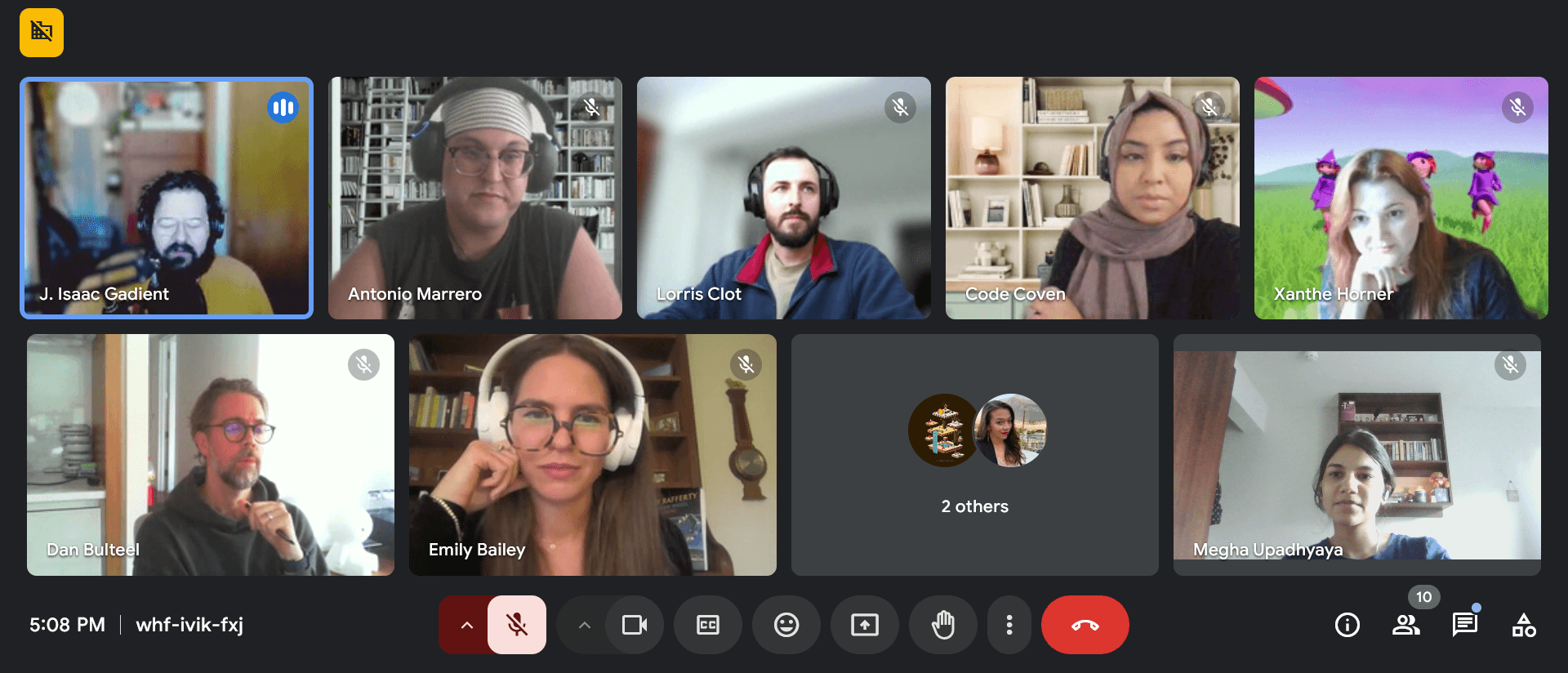
Code Coven's game design fellowship placed a small cohort of selected participants inside an 8-week intensive programme in partnership with Build A Rocket Boy: the studio behind the EVERYWHERE platform, a large-scale user-generated content and game creation tool. As one of a small number of selected participants, I moved through the full game creation workflow on a platform still in active development — which meant I wasn't just learning to use the tool, I was stress-testing it in real time. Client: Build A Rocket Boy / Code Coven Role: Gameplay Tester & Fellowship Participant Duration: 8 weeks, Aug – Oct 2024 What I Was Testing: My testing covered the full end-to-end game creation workflow on the EVERYWHERE platform — from initial asset placement through to running a completed game. This included: Asset discovery and selection: Spatial placement and object alignment mechanics Interaction and logic building Performance under increasing asset complexity Final playback and game execution Rather than evaluating isolated features, I was experiencing the platform as a creator would — moving through the natural sequence of building something, which meant usability barriers surfaced in context, not in isolation. What I Found: Through sustained hands-on use across 8 weeks, three recurring usability barriers emerged consistently enough to document formally: 1. Input lag during asset positioning Response delays during asset placement made precise positioning feel unreliable. In a tool where spatial accuracy is core to the creative workflow, lag at this moment breaks concentration and forces repeated correction, compounding frustration during rapid prototyping phases. 2. Inconsistent asset placement behaviour Objects didn't align predictably in complex spatial environments. The inconsistency was most pronounced when working with overlapping elements or reference grids, creating uncertainty about whether a placement had registered correctly. This undermined trust in the tool at a critical point in the build process. 3. Performance degradation with complex asset libraries Loading friction increased as asset libraries grew in complexity slowing the platform at the exact moment users need creative momentum. For a tool designed to empower user-generated content at scale, performance under creative load is a direct barrier to its core promise. These weren't issues I identified from a distance. They were barriers I encountered myself, documented through direct use and replicated across the testing period. How I Communicated Findings I compiled findings into structured written documentation — describing each issue, the context in which it occurred, and its impact on the creative workflow. These were presented to the Build A Rocket Boy and Code Coven teams during the programme's final showcase session, alongside other participants' outputs.
Client:
Build A Rocket Boy
Role:
Gameplay Tester
Year:
2024 (8 weeks)
What This Project Demonstrates
Contextual usability evaluation — identifying barriers through sustained, end-to-end use rather than isolated task testing
Documentation under ambiguity — working without a formal research brief or established testing protocol, and structuring findings clearly anyway
Communicating technical observations to a development team — translating felt experience into specific, reproducible issue descriptions
Early exposure to agile product development — observing how a platform evolves across an active development cycle and understanding the relationship between tester feedback and iteration
Reflection
This wasn't a formal research engagement. There was no screener, no protocol, no Dovetail. What it gave me was something different: experience identifying usability problems through immersive use, and practice articulating them clearly enough to be actionable for a technical team. That instinct to notice friction, name it precisely, and explain why it matters is something I carried directly into the more structured research work that followed.